
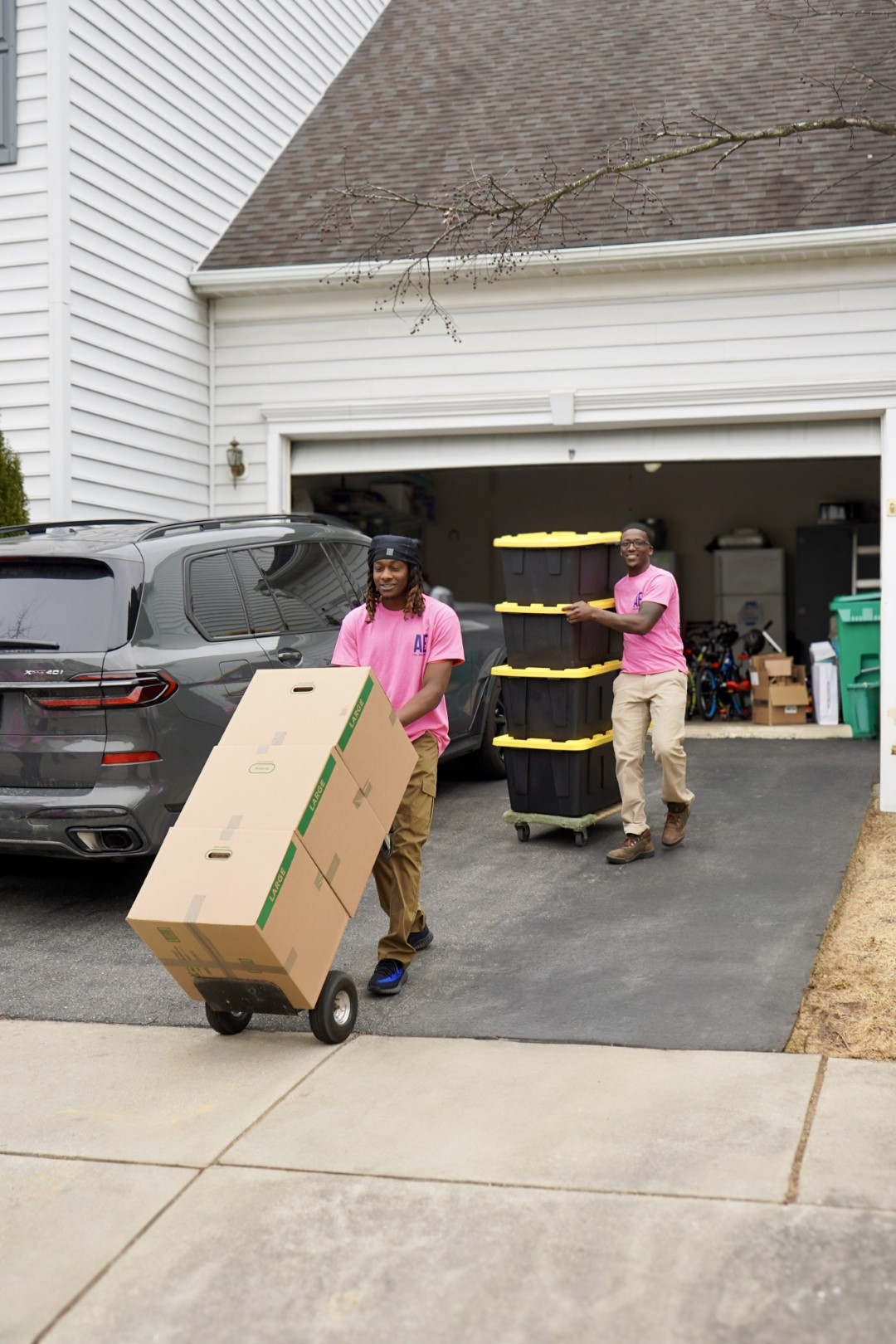
What Items Movers Won’t Move (and Howto Handle Them)

When planning a move, most people focus on what can be moved — furniture, boxes, appliances, and everything in between.
But just as important is knowing what professional movers will not transport.
These restrictions aren’t arbitrary. They’re based on safety, federal regulations, and liability protection. Understanding them ahead of time helps you avoid delays, last-minute stress, or items being left behind on move day.
1. Hazardous Materials
Movers are not allowed to transport items that are flammable, explosive, or chemically dangerous.
Common examples:
● Gasoline or propane tanks
● Paints, paint thinners, and solvents
● Fireworks
● Aerosol cans
● Fertilizers and pesticides
● Charcoal or lighter fluid
Why they’re restricted:
These items pose fire and safety risks inside moving trucks.
How to handle it:
● Use them up before moving
● Dispose of them properly at a local hazardous waste facility
● Purchase replacements after you arrive
2. Perishable Food
Most long-distance movers will not take:
● Open food containers
● Refrigerated items
● Frozen goods
● Fresh produce
Why:
Long transit times make spoilage unavoidable.
How to handle it:
● Plan to use up food 1–2 weeks before your move
● Donate unopened shelf-stable items
● Transport a small cooler for essentials during travel
3. Plants (In Most Long-Distance Moves)
Plants are tricky, especially for cross-country relocations.
Why movers avoid them:
● Heat and lack of light in trucks
● State agricultural restrictions
● Risk of damage during transit
How to handle it:
● Move them yourself if possible
● Gift or sell them locally
● Check state regulations if moving across state lines
4. Pets
This one surprises a lot of people — but movers do not transport pets.
Why:
● Liability concerns
● Temperature control issues
● Stress and safety risks for animals
How to handle it:
● Travel with them personally
● Use a professional pet relocation service
● Plan stops if driving long distance
5. Important Personal Documents & Valuables
Movers strongly advise against packing:
● Passports
● Birth certificates
● Social security cards
● Legal documents
● Jewelry
● Cash
● Small heirlooms
Why:
These items are high-value and difficult to recover if lost.
How to handle it:
Keep them with you at all times — ideally in a personal bag or lockbox during travel.
6. Firearms & Ammunition (Restricted or Prohibited)
Depending on the company and state laws, these items are often restricted.
Why:
● Legal regulations vary by state
● Safety and liability concerns
How to handle it:
● Transport personally following all legal requirements
● Check destination state laws in advance
7. Cleaning Supplies (Sometimes Restricted)
Certain cleaning products — especially flammable or chemical-heavy ones — may not be allowed.
Examples:
● Bleach
● Ammonia-based cleaners
● Industrial-strength chemicals
How to handle it:
● Use them before moving
● Dispose of them safely
● Buy new supplies after relocation
8. Items Movers May Refuse Based on Condition
Even if something isn’t “restricted,” movers may decline if it’s unsafe to transport.
Examples:
● Broken or unstable furniture
● Items with pest infestations
● Poorly packed glass or fragile items
How to handle it:
● Repair or reinforce items beforehand
● Properly pack fragile belongings
● Disassemble large furniture when possible
👉 At AE, we typically review items during the quote process so clients know ahead of time if anything may require special handling.
What Happens If You Accidentally Pack Restricted Items?
If movers discover prohibited items on move day, they will usually:
● Refuse to load them
● Ask you to remove them immediately
● Delay the move if necessary
In some cases, it can even lead to additional fees or schedule disruptions.
Pro Tips to Avoid Issues on Move Day
1. Do a “no-go” sweep before packing
Walk through your home and identify anything on the restricted list.
2. Separate essentials early
Create a “keep with me” pile for valuables and documents.
3. Ask your movers in advance
Every company may have slightly different rules — always confirm.
👉 One thing we emphasize at AE is clarity upfront. We walk through these details before move day so there are no surprises when the crew arrives.
Final Thoughts
Knowing what movers won’t move is just as important as knowing what they will.
The goal isn’t to create restrictions — it’s to ensure:
● Safety
● Legal compliance
● Protection of your belongings
With a little planning, you can easily handle everything movers don’t take and keep your move day running smoothly.
Get a Stress-Free Moving Experience
Not sure how to prepare your inventory or what needs special handling?
We’ll help you review everything upfront so your move is simple, clear, and fully prepared.
Call. Move. Done. 🚛
Get your free quote today and move with confidence.

